Adventure Planet Travels

GOM KORA FESTIVAL

Trip at a glance

TRIP DURATION
14 Nights 15 Days
FESTIVAL DATE
March 16 - 18, 2027
TRIP COST
From US $4660pp
TRIP TYPE
Festival, CultureNature, Hikes
TOUR DESTINATION
Paro - Bumthang, MongarTrashigang
GROUP SIZE
Minimum 02 Pax
ENTRY AND EXIT PORT
Paro - Paro

TRIP OVERVIEW

This 15 Day trip across Bhutan takes you from the peaceful western valleys around Paro all the way to Trashigang in the far east. The heart of the journey is the lively Gom Kora festival, held each March or April near the quiet village of Duksum, about 23 kilometres from Trashigang Dzong. The name comes from an old story; centuries ago, Guru Rinpoche spent three days meditating in a cave here and calmed a demon that had hidden inside a rock. Ever since, people have walked slowly around that same rock, hoping for blessings, good luck, and a chance to leave old troubles behind. Locals still say you should make the circle today because tomorrow might be too late. Crowds arrive from all over eastern Bhutan and even from across the border in Arunachal Pradesh. Colourful masked dances tell tales of good winning over harm, while the ground turns into a cheerful open market full of food, simple handicrafts, and the easy talk of families and old friends meeting again.

What feels most special is how the sacred and the everyday sit comfortably together. People keep walking the path through the night, some whispering prayers, others just enjoying the cool air and quiet company. By day the dances go on, the market stays busy, and everyone shares snacks and stories. Visitors are welcome if they dress modestly, walk clockwise like everyone else, and ask before taking pictures of the dancers. You leave with a calm, connected feeling that stays long after the last dance. Alongside the festival the tour also opens doors to Bhutan's everyday culture, gentle hikes, and the quiet life in its rural villages.

TRIP HIGHLIGHTS

ATTEND THE GRAND GOM KORA FESTIVAL

Attend the grand spring festival held inside Gom Kora Lhakhang. We wake before dawn, dress in the traditional dress, ghos and kiras, and drive toward Gomphu Kora. Many local people from every corner of eastern Bhutan and even across the border from Tawang attend this grand event. Arriving at the temple, we join the endless line of people slowly circling the sacred black rock where Guru Rinpoche once meditated. Experience spinning prayer wheels, light butter lamps, and watch the monks leap in fierce masked dances. When night falls we keep walking the kora under the stars, laughing softly, sometimes stealing glances at someone special. On the last morning, we squeeze through the narrow rock passage, feeling our burdens lighten, then share simple meals from the stalls before heading back to the hotel.

VISIT HISTORICAL MONUMENT SITES

Strolling around Bhutan's old fortresses, peaceful monasteries, temples and little museums feels like walking straight into stories that are still alive and breathing. The bright murals on the walls, the holy items carefully placed, and the finely carved wood everywhere show how strongly Buddhist faith and age-old habits still colour everyday life for people here. These quiet spots invite you to slow down, take a deep breath, and truly feel the country's gentle, spiritual heart. The museums add even more by sharing royal tales, ordinary customs, and precious treasures that have been lovingly passed down through many generations. All of it together reveals Bhutan's real charm, not only the lovely buildings themselves, but a warm, living way of life that still respects yesterday while remaining meaningful and welcoming.

IMMERSIVE LOCAL EXPERIENCES

Getting to know Bhutan is less about ticking off famous sights and more about slowing down to share ordinary days with the people who live there. Wander into a quiet village, sit with a family that opens its door without fuss, and notice how old customs still shape everything from morning chores to evening talk. Watch someone carefully weave cloth, carve wood, or paint with the same steady hands their grandparents used. Share a simple home-cooked meal, ask about the ingredients, and hear the small stories that come with the food. Try a bit of archery, slip into a traditional gho or kira, or soak in a hot-stone bath. These quiet, everyday moments build real connections and reveal a warmer, more personal Bhutan that most visitors never quite reach.

PEOPLE AND CULTURE

Bhutan feels special because of its people more than its views. Folks here live simply and treat each other with real kindness while holding tight to old ways that guide how they spend each day. Whether you walk through a quiet village or a busier town, those customs show up in ordinary moments. Bright festivals, calm monasteries, handmade crafts, and traditional houses keep the culture feeling fresh and real. Prayer flags flutter on the hillsides and the low chant of monks fills the air with a peaceful hush. When you try local farming tasks, share a meal, or notice how closely people live with the land, you start to grasp what matters most to them. Those small experiences stick with you and leave warm memories of the people and the life they lead.

DETAIL ITINERARY

DAY 01: ARRIVAL PARO | SIGHTSEEING | PARO

Your journey in Bhutan begins with an exciting flight to Paro International Airport, where the beauty of the Himalayas welcomes you even before you land. From the airplane window, you can enjoy stunning views of green valleys, rolling clouds, and snow covered mountain peaks. The approach to Paro is quite special because the plane moves carefully between tall mountains before reaching the runway. It is an experience that may make you feel a little nervous at first, but the incredible scenery makes every moment worth it. Once you arrive, you will feel the warmth of Bhutanese hospitality as your local guide welcomes you with a cheerful “Tashi Delek” and presents you with a traditional white scarf called a khadar as a symbol of respect and good wishes. You will then head to a nearby restaurant in Paro town to relax and enjoy some refreshments. As you explore the town, you will notice how traditional Bhutanese architecture blends naturally with modern buildings, creating a simple yet beautiful atmosphere. Your first sightseeing stop will be Paro Rinpung Dzong, an impressive fortress and monastery with a rich history. Walking through its peaceful courtyards and temples offers a closer look at Bhutan's cultural traditions and religious life.

After exploring Rinpung Dzong, you will enjoy lunch before continuing towards the Drukgyel Dzong viewpoint in northern Paro. Here, you can admire the remains of an old fortress surrounded by beautiful mountain scenery. The site holds an important place in Bhutanese history and reminds visitors of the country's past victories against Tibetan invasions. On the return journey, you will visit Kyichu Lhakhang, one of Bhutan's oldest and most respected Buddhist temples. Its quiet surroundings and spiritual atmosphere provide a lovely opportunity to pause and appreciate the country's deep-rooted faith and traditions. As the day comes to an end, you will leave Paro and travel to Thimphu, Bhutan's capital city. The drive takes around an hour, passing through scenic landscapes, peaceful villages, and winding mountain roads. By the time you reach Thimphu, you will have experienced a wonderful introduction to Bhutan's natural beauty, history, and welcoming culture, making it a memorable start to your journey.

DAY 02: THIMPHU SIGHTSEEING | THIMPHU

Thimphu is a city that offers more than you might expect. It is not just a quiet mountain town but a place where modern living and Bhutanese culture exist side by side. With a population of over 120,000, the capital has grown with the times while keeping its traditions alive. A walk along Norzin Lam reveals busy streets, local shops, and everyday life that reflect both change and heritage. The city has its own rhythm, making it an interesting place to explore and understand Bhutan beyond its natural beauty.

Our day starts early after breakfast, with several exciting places to visit. We begin at the National Memorial Chorten, built in 1974 by the Second Queen to honour Bhutan's third king. Here, local people gather to pray and walk around the stupa as part of their daily routine. From there, we travel to Kuenselphodrang to see the enormous bronze Buddha statue, visit the temple, and enjoy beautiful views of the valley. Next, we stop at the Institute of Traditional Arts and Crafts, where students practice traditional skills such as painting, weaving, and wood carving. After lunch at a local restaurant, we visit the Motithang Takin Preserve to see Bhutan's unique national animal. We then head to Sangaygang Viewpoint for a stunning view of Thimphu from above. Later, at Jungshi Paper Factory, we learn how handmade paper is produced using local daphne bark. Before ending the day, we explore Kaja Throm vegetable market and stroll through the busy downtown area. By evening, we return to our hotel with wonderful memories of the city's culture, daily life, and special attractions.

DAY 03: THIMPHU | PHOBJIKHA

Begin your day early in Thimphu and enjoy a scenic drive toward the beautiful Phobjikha Valley. Along the way, the road takes you through green forests, winding mountain routes, and charming countryside. Your first major stop is Dochula Pass, located at an altitude of 3,150 metres. Take some time to enjoy the fresh mountain breeze, colourful prayer flags, and the peaceful setting of the 108 Druk Wangyel chortens. When the weather is clear, you may also see stunning Himalayan peaks rising in the distance. Continue your journey toward Punakha, stopping at Lobesa to explore a traditional Bhutanese village. Walk past local homes and carefully maintained farmland before visiting Chimi Lhakhang, a small temple on a hill associated with Drukpa Kunley, widely known as the Divine Madman. This visit gives you a glimpse into Bhutan's fascinating legends, religious customs, and cultural heritage.

After lunch, continue driving toward Phobjikha Valley, passing quiet villages, open farmland, and beautiful rural landscapes. As you travel higher into the mountains, the surroundings become more peaceful, with broad grassy fields, green hills, and refreshing mountain air. Phobjikha is especially famous for the rare black necked cranes that arrive from the Tibetan Plateau during the winter months. These graceful birds are deeply valued by local communities, who work to protect their natural habitat and preserve the valley's traditional lifestyle. Upon arrival, check into your hotel and take some time to relax after the journey. Later, if you wish, enjoy a leisurely walk along the village trails, where you can admire the open landscape and experience the quiet rhythm of rural life. As evening approaches, settle into the calm atmosphere, enjoy the cool mountain weather, and discover the simple charm of Bhutan's countryside.

DAY 04: LONGTEY HIKE | PHOBJIKHA

After breakfast, we set off for Longtey, a small village located about fifteen minutes from Pele La Pass. Here, we begin a peaceful three- to four-hour hike towards the beautiful Phobjikha Valley. The walk starts near a village where yak herders stay during the winter months. As we move along the trail, the path takes us through lovely forests filled with rhododendron, fir, hemlock, and dwarf bamboo. The surroundings are quiet, the air is cool and fresh, and the sounds of birds make the walk even more enjoyable. Our journey continues uphill until we reach Kaychela Pass, which stands at approximately 3,700 metres above sea level. Colourful prayer flags wave in the breeze, creating a special mountain atmosphere. From here, we can enjoy a wonderful view of the wide valley, the distant hills, and Gangtey Monastery. We then walk downhill towards Kumbu village, where our vehicle meets us for a short drive to the monastery.

Once we arrive at Gangtey Monastery, we take time to explore its grounds and learn about its cultural and religious importance. Set on a hill overlooking the valley, the monastery offers beautiful views and a chance to understand the Buddhist traditions followed by local communities. After our visit, we return to the hotel for a delicious lunch and some time to relax. The afternoon is free, allowing everyone to enjoy the peaceful surroundings at their own pace. Later in the day, we head out for a gentle walk through a nearby village. Along the way, we see how local people go about their daily activities and get a closer look at their simple way of life. Friendly greetings and small conversations with villagers make the experience feel personal and welcoming. By the end of the day, we have enjoyed nature, culture, and local life in a relaxed and meaningful way.

DAY 05: NATURE TRAIL HIKE | BUMTHANG

After breakfast, take some time to enjoy a peaceful walk around the Black Necked Crane Preservation Centre. The trail begins near a small Khewa community temple on the eastern side of the valley. From there, cross a narrow stream and follow the path uphill at a comfortable pace. As you walk, you will see beautiful green hills, scattered villages, and the valley stretching out before you. The trail passes through pine forests and small rural settlements, offering a chance to enjoy the fresh air and quiet surroundings. The walk takes about an hour and is perfect for anyone who wants to experience Bhutan's natural beauty without rushing. With its rolling hills and open landscapes, the area is often compared to a little Switzerland in Bhutan. Keep your camera ready, as there will be plenty of lovely views along the way. The walk finishes at the entrance to Gangtey Monastery, where you can take a short break and enjoy the peaceful setting before continuing your journey to Bumthang.

The drive to Bumthang offers another chance to experience the simple charm of rural Bhutan. The road climbs over Pele La Pass and passes through villages such as Sephu, Rukhubji, Chendibji, and Tshangka. Along the way, you will see traditional homes, green fields, and mountain scenery. Make a stop in Trongsa to visit the impressive Trongsa Dzong, which stands high above a deep gorge and holds an important place in Bhutan's royal history. After exploring the fortress, continue your drive over Yotong La Pass, surrounded by forest-covered mountains. As you descend toward Bumthang, the landscape opens into peaceful farmland, apple orchards, and traditional Bhutanese houses. Known for its rich culture and spiritual heritage, Bumthang welcomes you with a relaxed atmosphere and a strong sense of tradition, making it a wonderful place to discover another side of Bhutan.

DAY 06: BUMTHANG SIGHTSEEING | BUMTHANG

Bumthang is one of those places in Bhutan where history, religion, and everyday life come together naturally. Its name is linked to the Dzongkha word “bumpa,” which means vase. The valley is known for its peaceful surroundings, beautiful landscapes, and important Buddhist sites that have attracted visitors and pilgrims for generations. Our day begins with a visit to Kurje Lhakhang, a temple connected to Guru Rinpoche, who came to Bhutan in the eighth century. According to local belief, he meditated in a cave here and left the imprint of his body on the rock. Today, visitors can see this sacred site and statues representing his eight forms. We then continue to Jampa Lhakhang, an ancient temple built in the seventh century by Tibetan King Songtsen Gampo. It is believed to have been one of 108 temples constructed to overcome a giant ogress and help Buddhism spread across the region.

Later, we travel across the valley to Tamzhing Monastery, established in 1501 by Pema Lingpa, a respected Buddhist master known for discovering hidden religious treasures. The monastery remains closely connected to his teachings and spiritual tradition. Nearby, Konchogsum Lhakhang offers another glimpse into Bhutan's rich Buddhist past, with stories linked to Pema Lingpa, Guru Rinpoche, and King Trisong Detsen. After lunch, we head to Mebar Tsho, also called the Burning Lake. This sacred spot is famous for the story of Pema Lingpa, who is believed to have entered the water with a burning lamp and returned with hidden treasures connected to Guru Rinpoche. We finish the day with a relaxed walk around Chamkhar town, where small shops, local homes, and friendly faces reveal the simple rhythm of life in Bumthang. It is a lovely way to experience the valley beyond its temples and legends.

DAY 07: BUMTHANG | MONGAR

Today, we say goodbye to central Bhutan and begin our journey towards the eastern part of the country. Life here has its own charm, with most people speaking Sharchokpa, the local language of the east. The people are friendly and calm, and their traditions remain an important part of everyday life. Eastern Bhutan is especially known for its traditional weaving, which has been passed down through generations. Local women create beautiful kira dresses, including the famous Kushuthara, known for its detailed designs and rich patterns. Each piece reflects the patience, skill, and creativity of the weavers. As we travel east, we get a chance to experience a different side of Bhutan, where culture, nature, and traditional lifestyles come together.

Our journey takes us along winding mountain roads surrounded by forests, green hills, deep valleys, waterfalls, and rocky cliffs. Every turn brings a new view, making the drive a memorable experience. We reach Thrumshingla Pass, the highest point along our route, which also leads into Thrumshingla National Park. This protected area is home to many rare plants and birds, along with wildlife that makes the forest special. After enjoying the mountain scenery, we stop for a peaceful outdoor lunch in Sengor Valley. We then continue across Namling Dra, where a tall cliff and flowing waterfall create an impressive sight. As we travel downhill, we pass through Lingmithang, a beautiful green area known for its birdlife. Along the way, we also see the remains of the historic Zongar Dzong, offering a glimpse into Bhutan's past. By the end of the day, we arrive in Mongar, an important town in eastern Bhutan, where we settle in for the night after a scenic and rewarding journey.

DAY 08: MONGAR SIGHTSEEING | TRASHIGANG

Mongar is a wonderful place to experience the simple beauty of eastern Bhutan. Life here is calm, the people are welcoming, and the surrounding mountains create a beautiful natural setting. One of the main places to visit is Mongar Dzong, a white fortress built in the 1950s. It is still used for government work and religious activities. Visitors can walk around its open courtyards, observe the peaceful surroundings, and experience the spiritual atmosphere of the dzong. Another place worth visiting is Yagang Lhakhang, a small temple where visitors can enjoy a quiet moment and learn about local religious traditions. For something different, visit a weaving workshop and see local women creating colourful textiles using traditional methods. A walk through Mongar town is also enjoyable, especially when exploring the local markets, where fresh produce and everyday goods are sold. The friendly people and traditional lifestyle make the town feel warm and inviting.

The journey from Mongar to Trashigang is another memorable part of visiting this region. The drive usually takes around three hours, following winding mountain roads through thick forests and peaceful countryside. Along the way, travellers can enjoy views of blue pine trees, rhododendron forests, and small villages scattered across the hillsides. Colourful prayer flags can be seen beside the road, adding beauty to the mountain scenery. At Kori La pass, the landscape opens up, offering wonderful views of the surrounding valleys and distant mountains. The route also passes mustard fields, green hills around Yadi and the Sherichu valley, and areas near the Drangme Chhu river. Although the road has many bends, the changing scenery makes the journey enjoyable. There is plenty to see along the way, from quiet settlements to wide valley views. Travelling from Mongar to Trashigang offers a lovely chance to discover the natural beauty and everyday life of eastern Bhutan.

DAY 09: DAY EXCURSION TO MERAK | TRASHIGANG

After enjoying breakfast at the hotel, begin the day with a visit to Trashigang Dzong, one of the most impressive historical landmarks in eastern Bhutan. Standing proudly on a hilltop where two rivers come together, this old fortress was built in the 17th century to protect the eastern region. Today, it serves as both a government centre and a place of Buddhist worship. Take a leisurely walk through its courtyards and temples, admire the traditional architecture, and enjoy the beautiful views of the surrounding green valleys. The peaceful setting and rich history make this a wonderful place to start the day.

Continue to Rangung Yoeseling Monastery, a peaceful Nyingma Buddhist monastery established in 1989. Spend some time enjoying its calm atmosphere and learning about local spiritual traditions. From there, travel to Radhi village, often called the Rice Bowl of the East. Here, you can see wide rice fields, meet local weavers, and learn how traditional raw silk fabrics are made. The journey then takes you up to Merak, a highland village where the Brokpa people continue to preserve their unique culture and way of life. Surrounded by open pastures and mountain scenery, Merak offers a special chance to experience Bhutan's highland traditions. Visit the national heritage village, explore the settlement, and spend time talking with the local people to understand their daily lives, traditional clothing, and customs. Enjoy a freshly prepared home cooked lunch with a local family and experience their warm hospitality. After this meaningful cultural visit, begin the journey back to Trashigang, arriving in the evening with wonderful memories of the region's landscapes, traditions, and welcoming people.

DAY 10: ATTEND GOM KORA FESTIVAL | TRASHIGANG

A trip out to the Gom Kora Festival feels like stepping into something real and alive in eastern Bhutan. You drive through green hills with the Drangme Chhu River running alongside until you reach the quiet temple near Trashigang. People from nearby villages show up in their bright kira and gho, and the whole place has this calm, welcoming feel. The temple matters a lot because people say Guru Rinpoche once meditated there and dealt with a troublesome spirit. Folks come to pray, ask for blessings, and just be together. For anyone visiting, it is a gentle way to see both the lovely countryside and the everyday faith that runs through Bhutanese life.

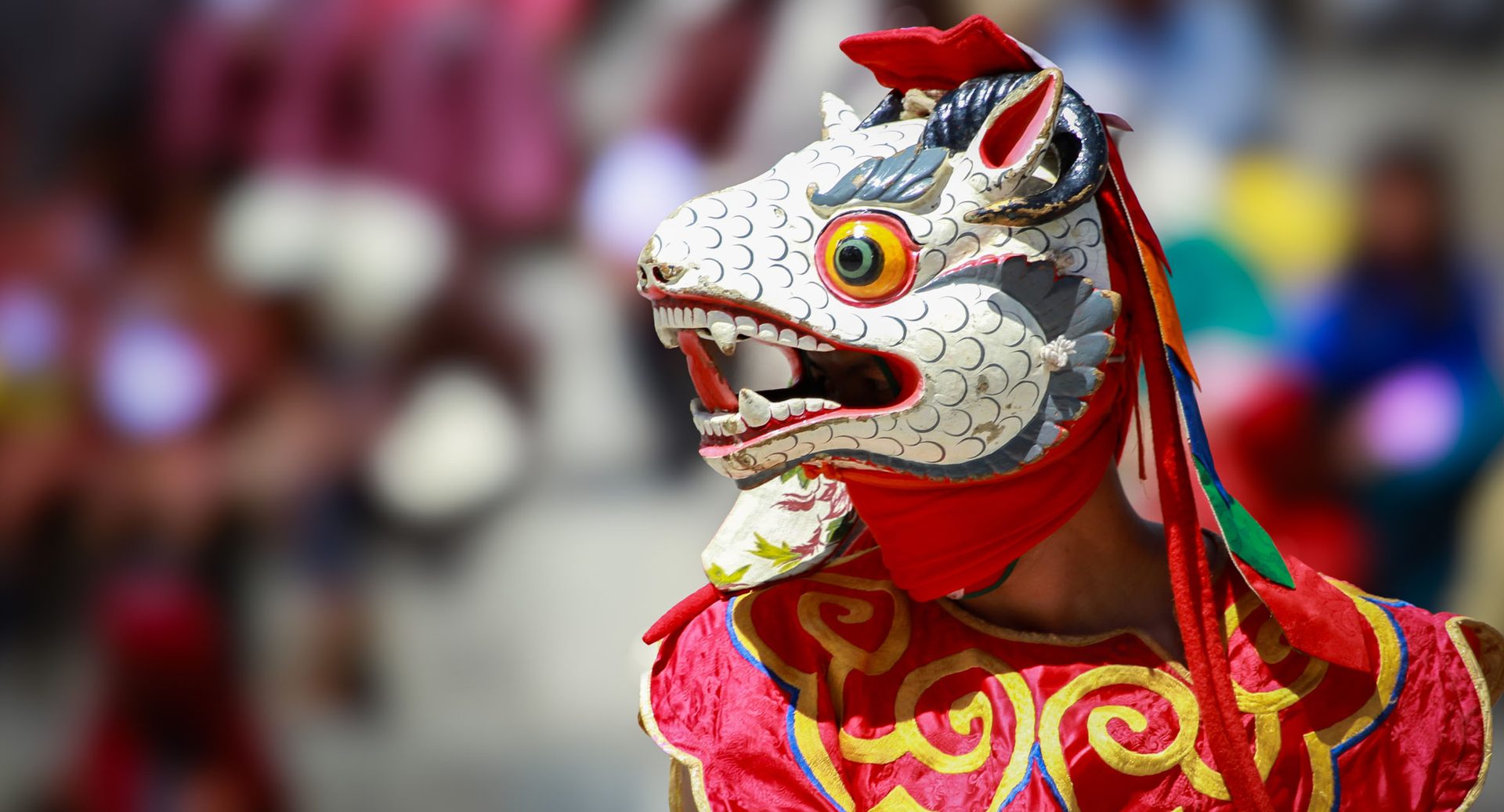
Later you can wander around the festival grounds and watch the monks do the cham mask dances. They wear colourful outfits and move to traditional music while telling old Buddhist stories and local beliefs through every step. You notice families praying, people chatting, and little stalls selling simple Bhutanese snacks. The clothes everyone wears are beautiful, but it is polite to ask before taking photos of anyone or of the ceremonies. When the day winds down the temple area grows quiet again, and you head back with a full heart. Going to Gom Kora is not just looking at things; it is a chance to sit among friendly people, feel their hospitality, and understand a bit more about the living traditions that make this part of Bhutan special.

DAY 11: TRASHIGANG | BUMTHANG

Our journey to Bumthang begins early in the morning, with a long drive of around 300 kilometres ahead of us. Although the road takes most of the day, there will be plenty of chances to enjoy Bhutan's natural beauty along the way. We will travel through green hills, quiet mountain roads, and beautiful highland scenery, making the journey just as enjoyable as the destination. Around lunchtime, we will stop in Sengor Valley to have a meal and take a short break. Surrounded by peaceful landscapes and fresh mountain air, it will be a good time to relax before continuing our drive. After lunch, we will head towards Thrumsingla Pass, the highest point on this route. Here, we can enjoy the wide mountain views, feel the cool breeze, and take some photographs of the stunning surroundings.

As we continue our journey, the road will take us to the lovely Ura Valley, a place known for its traditional charm and peaceful atmosphere. During our stop, we will visit a local community temple and get a closer look at the spiritual traditions and daily life of the people living in this area. The simple surroundings and local culture offer a meaningful experience away from busy tourist destinations. After spending some time in Ura, we will continue towards Bumthang, enjoying the changing scenery as the day comes to an end. By evening, we should arrive in Bumthang, carrying memories of beautiful landscapes, quiet villages, and interesting places along the way. After a full day on the road, we can check into our accommodation, relax, and enjoy a peaceful night in the heart of this beautiful valley.

DAY 12: BUMTHANG | PUNAKHA

Start your day with breakfast before setting off for Punakha, a beautiful valley that was once the capital of Bhutan. Leave Chamkhar behind and enjoy a scenic drive along the East-West National Highway. The journey takes you through small villages, green forests, and winding mountain roads. Along the way, you will pass Chhumey, Domkhar, and Gaytsa before reaching Yotong La Pass, which stands at 3,150 metres above sea level. Take a short break here to enjoy the fresh mountain air and the wonderful views. Continue downhill to Trongsa, a charming town with a rich history. Visit Trongsa Dzong, a famous fortress known for its impressive design and cultural importance. Walk through its peaceful courtyards and, if possible, spend some time talking with the young monks about their daily lives and studies.

After exploring Trongsa, drive for around thirty minutes to a nearby viewpoint for a beautiful view of the dzong from across the valley. It is also a great place to take memorable photographs. Continue your journey through forests, quiet villages, and open mountain landscapes, passing Tshangka, Chendibji, and Sephu. Take a break in Sephu and enjoy a leisurely lunch before getting back on the road. As you travel closer to Punakha, the scenery gradually changes, with cooler mountain surroundings giving way to greener farmland and a warmer climate. After approximately two more hours of driving, you will reach Punakha Valley. Known for its pleasant weather, natural beauty, and cultural heritage, the valley offers a relaxing atmosphere. Spend the rest of your day enjoying the peaceful surroundings and welcoming feel of this lovely destination.

DAY 13: PUNAKHA SIGHTSEEING | PARO

Begin your day with breakfast before heading out to explore Punakha Dzong, one of Bhutan's most beautiful and important historical sites. Located where the Pho Chhu and Mo Chhu rivers meet, this impressive fortress offers a wonderful glimpse into the country's past. As you walk around, you will see large courtyards, detailed wooden carvings, traditional architecture, and beautifully decorated prayer halls. Your guide will share interesting stories about the dzong and its importance to Bhutan's royal family and Buddhist traditions. The peaceful surroundings make it a lovely place to explore at a relaxed pace. You may also see monks moving around the complex as they carry on with their daily activities. Inside Kuenray, take a moment to appreciate the traditional artwork and spiritual atmosphere. Today, Punakha Dzong remains an important religious centre and serves as the winter residence of Bhutan's central monastic community.

After visiting the dzong, continue north by car to the starting point of your hike to Khamsum Yulley Namgyal Chorten. Your walk begins with a crossing over a suspension bridge above the Mo Chhu River, followed by a pleasant trail through green rice fields, local farms, and pine trees. The uphill walk is a great opportunity to enjoy the fresh air and beautiful countryside. Along the way, you will see wonderful views of the valley opening up around you. At the top, the chorten welcomes you with its unique design, colourful paintings, and peaceful setting. Spend some time exploring the monument and enjoying the scenery before walking back down. Stop at a local restaurant for lunch, then continue your scenic journey to Paro, where you will check in for the night.

DAY 14: TIGER NEST HIKE | PARO

Start your day with a visit to Bhutan's famous Tiger's Nest Monastery, a special place that attracts visitors with its beauty, history, and spiritual importance. The monastery sits high on a rocky cliff overlooking the Paro Valley, making it one of the most remarkable sights in the country. Local stories say that Guru Rinpoche came here in the eighth century, riding on a tigress, and meditated inside a cave. Since then, the site has become an important place for Buddhist prayers and meditation. Your journey begins at Ramthangka, where you will walk uphill through peaceful pine forests. The hike may take some effort, but the fresh air, natural surroundings, and beautiful mountain views make it worthwhile. Along the way, stop at a café near the viewpoint, enjoy some refreshments, and take photos of the monastery from a distance.

After reaching the monastery, spend some time visiting its temples, learning about its spiritual value, and enjoying the calm atmosphere. Once you have explored the area, return to the viewpoint for lunch before walking back down to the valley. Later, relax at your hotel or spend some time walking around Paro town. In the evening, visit a traditional Bhutanese farmhouse and experience a hot stone bath, a popular local way to relax after a long day. You can also try archery, Bhutan's national sport, and learn more about this important part of local culture. To finish the day, share a home-cooked Bhutanese meal with a local family and enjoy their kindness, simple lifestyle, and warm welcome.

DAY 15: AIRPORT DROP | BON VOYAGE

Following a hearty breakfast at the hotel, drive to Paro International Airport to catch your onward flight. Your guide and driver will accompany you to the airport and bid you farewell.

COST ENTITLEMENTS

INCLUSIONS

  • Three-star hotel accommodation on twin room sharing basis
  • All meals throughout the tour
  • All internal transportation, including airport pickup and drop-off
  • Experienced, licensed tour guide
  • Government Sustainable Development Fee (SDF)
  • Park and monument entrance fees
  • One-time visa fee
  • All sightseeing and activities included as per the agreed itinerary

EXCLUSIONS

  • International airfare
  • Travel and health insurance
  • Emergency evacuation and rescue costs
  • Personal expenses, including laundry, beverages, tips, shopping, and other items not mentioned under inclusions

TRIP CUSTOMIZATION

  1. Is this trip upto your liking and fits perfectly with your travel plan?
  2. Contact us should you require detail trip customization help.
  3. We welcome your inputs to make this trip more exclusive.
Contact

JOURNEY MAP

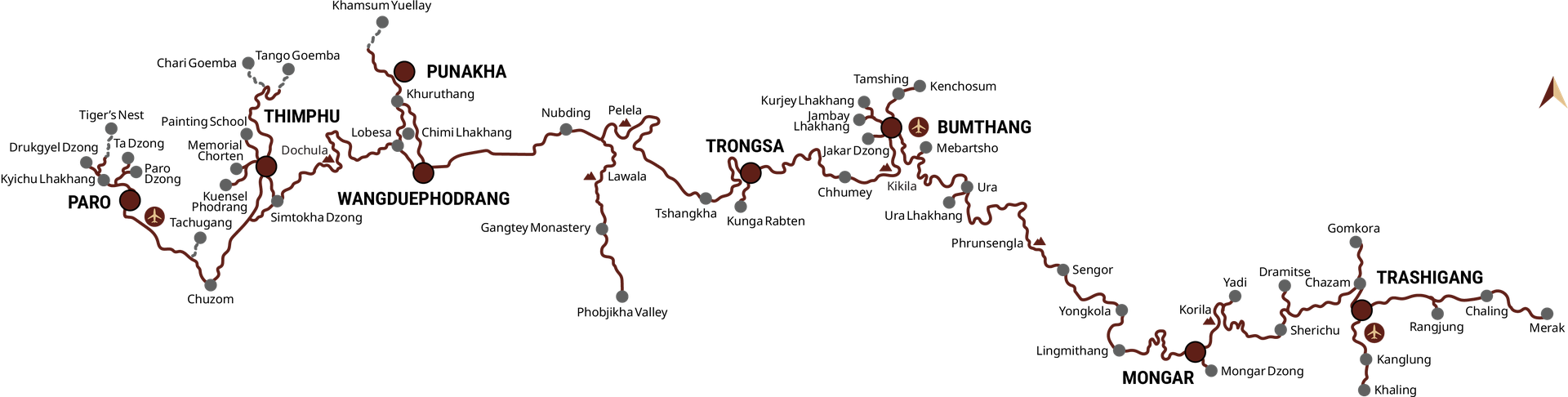
Route map of the fifteen-day west-to-east festival journey. Paro and Haa sit in the far west, linked by Chuzom to Thimphu, then east over Dochula to Punakha and Wangduephodrang, south to Phobjikha Valley, on through Pelela and Trongsa to Bumthang, then over Phrunsengla by way of Sengor and Lingmithang to Mongar, and finally Trashigang, Gomkora and Merak in the far east.

FESTIVAL TOUR

SIMILAR EXPERIENCES

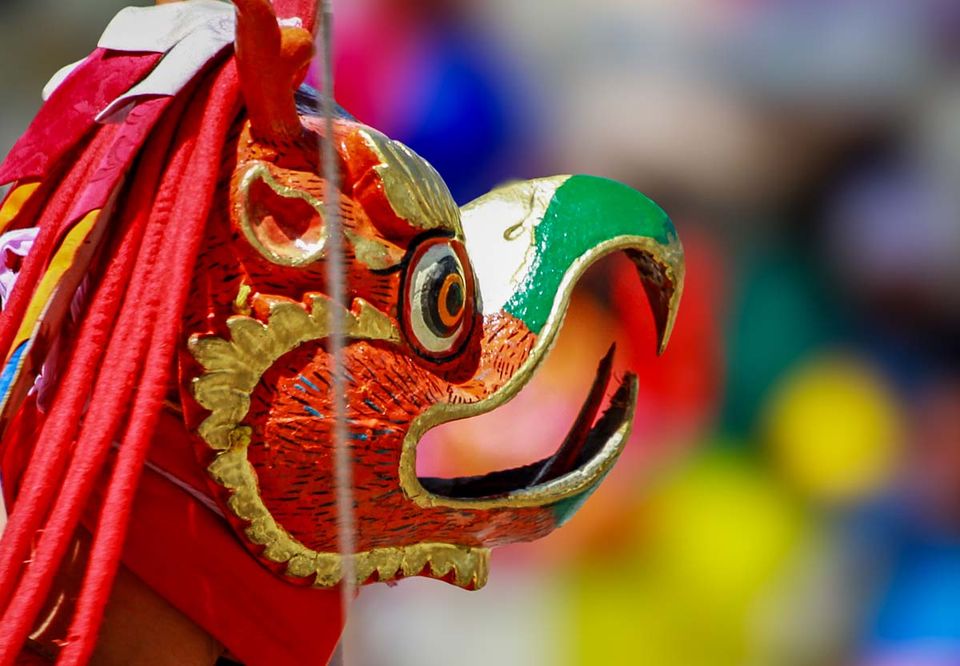
Carved bird mask in orange and green worn by a festival dancer

FESTIVAL TOUR

SPRING PARO FESTIVAL | 11 DAYS

  • Witness the grand spring festival held in the open courtyard of Paro Dzong.
  • Connect with local communities and experience authentic culture and traditions.
  • Discover Bhutan's timeless heritage through its rich history and cultural legacy.
  • Journey to the spiritual heartland of Bumthang, exploring its Buddhist legacy, revered monasteries, and breathtaking landscapes.

FROM

US $ 3340 PP

VIEW TRIP
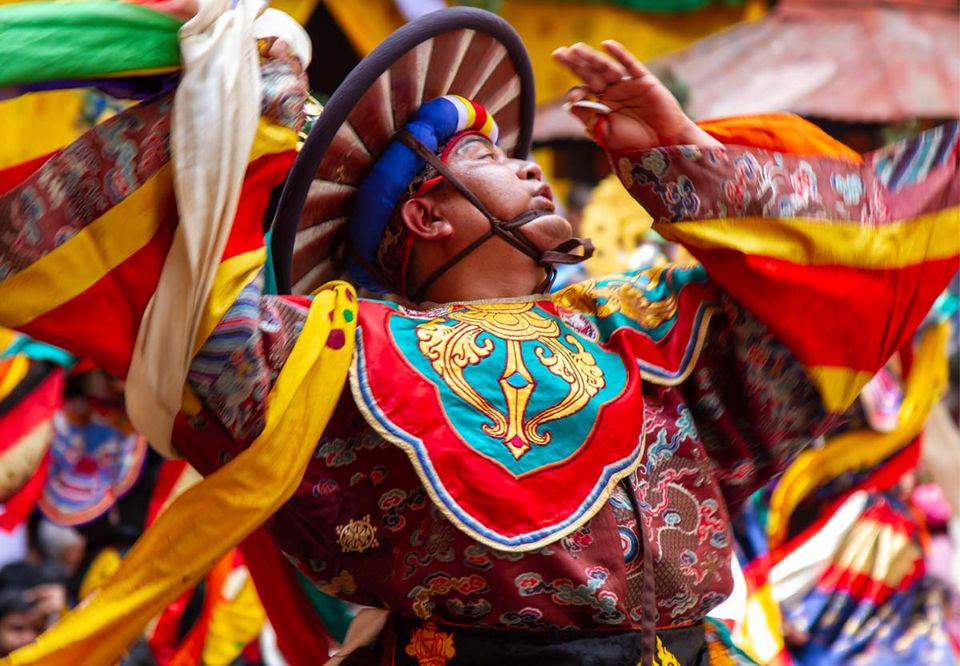
Dancer in a black hooped headdress spinning at Thimphu Tshechu

FESTIVAL TOUR

AUTUMN THIMPHU FESTIVAL | 10 DAYS

  • Witness the grand Autumn Thimphu festival held in the open courtyard of Thimphu Dzong.
  • Celebrate Bhutanese culture through vibrant dances, music, and traditions.
  • Enjoy breathtaking autumn scenery surrounding Thimphu valley and beyond.
  • Explore the cultural wonders of Paro, Thimphu, Punakha and Phobjikha valley, famed for its surreal landscape.

FROM

US $ 3010 PP

VIEW TRIP
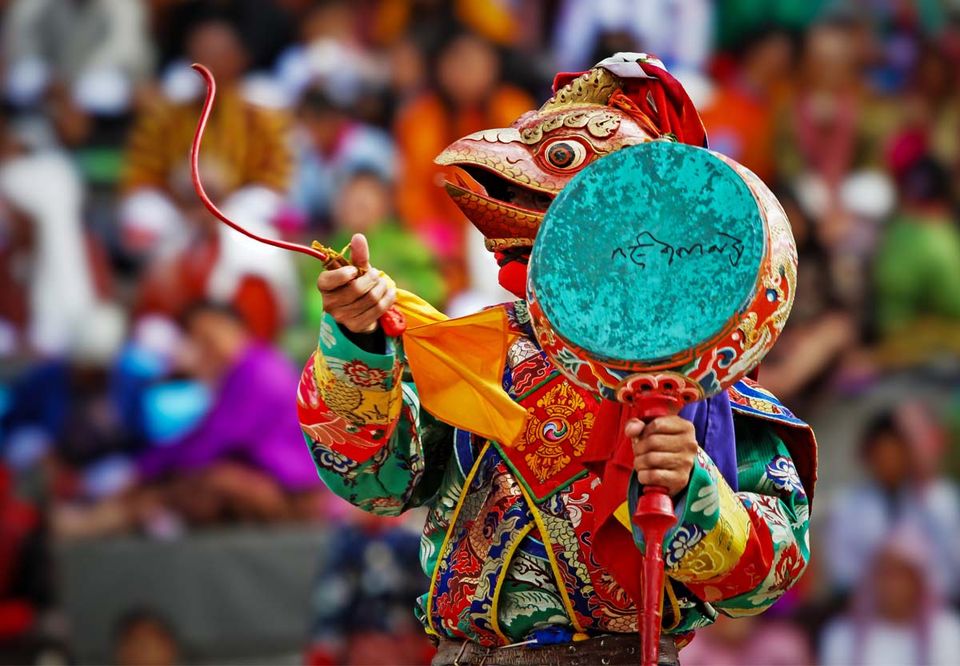
Masked dancer holding a turquoise ceremonial drum before a crowd

FESTIVAL TOUR

JAMBAY LHAKHANG DRUB | 12 DAYS

  • Witness mesmerising sacred mask dances, Mewang and the naked dance.
  • Explore Jambay Lhakhang, one of Bhutan's most revered ancient temples.
  • Immerse yourself in vibrant rituals, local culture, and unforgettable festival celebrations.
  • Discover the serene beauty of Bumthang and a truly authentic spiritual visit to Kurjey Temple, Tamzhing Monastery and Burning Lake.

FROM

US $ 3670 PP

VIEW TRIP
Brightly painted stag mask worn by a dancer at Punakha Dzong

FESTIVAL TOUR

PUNAKHA DROMCHOE | 7 DAYS

  • Attend the vibrant Punakha Tshechu and experience Bhutan's rich spiritual heritage.
  • Discover the architectural beauty, legends, and spiritual significance of Punakha Dzong.
  • Meet local communities, witness age old customs, and enjoy traditional performances.
  • Journey through lush valleys, terraced fields, rivers, and picturesque villages while creating unforgettable memories of Bhutan's festival spirit.

FROM

US $ 2020 PP

VIEW TRIP
Highlanders in red robes leading a yak at the Royal Highlander Festival

FESTIVAL TOUR

ROYAL HIGHLANDER FESTIVAL | 13 DAYS

  • The Royal Highlander Festival is a majestic celebration of Bhutan's highland heritage.
  • The festival highlights the significance of yak herding and sustainable livelihoods.
  • Discover Bhutan's timeless heritage through its rich history and cultural legacy.
  • The Royal Highlander Festival brings together people from across Bhutan and beyond, fostering appreciation for highlanders' heritage.

FROM

US $ 4000 PP

VIEW TRIP